
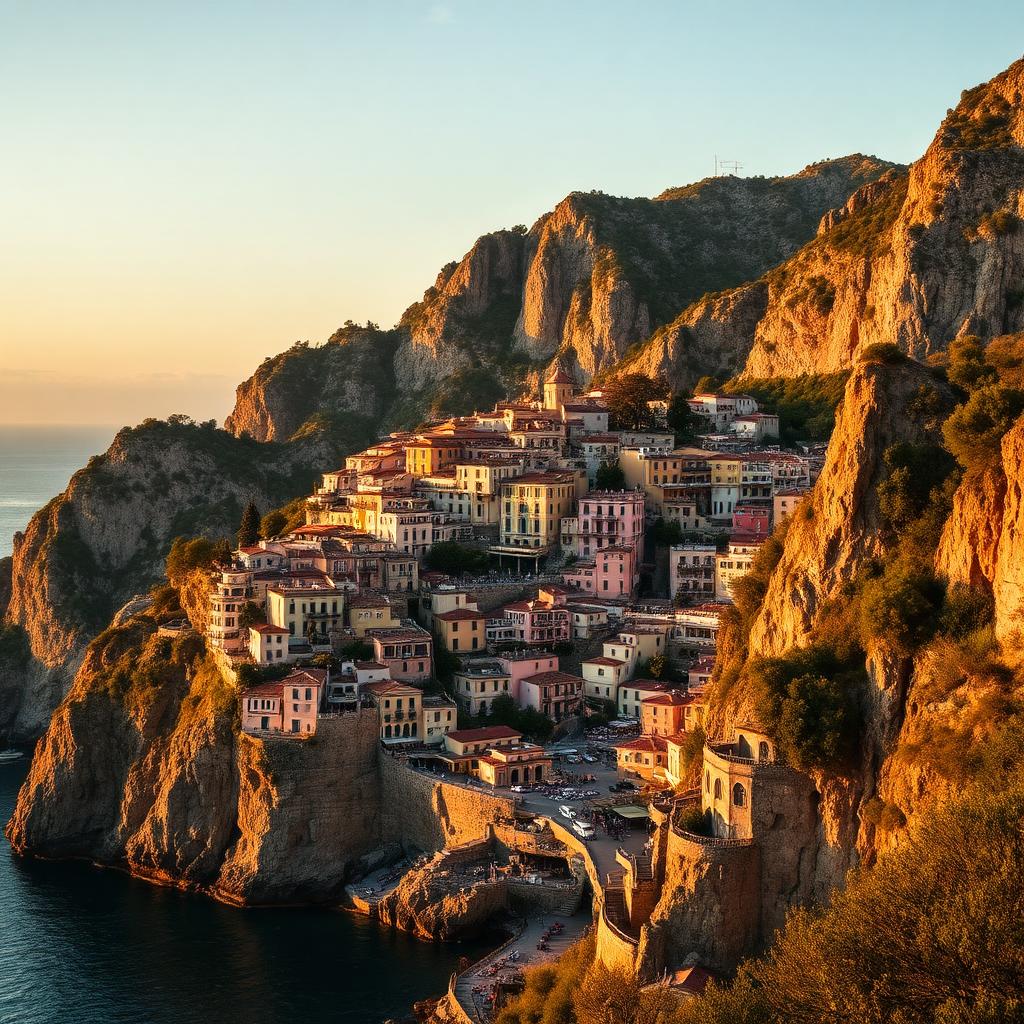
Saint Sophia Cathedral, Kyiv
Why this is the first thing I do every time I land in Ukraine.
Read MoreKyiv Pechersk Lavra's underground catacombs
A closer look at one of Ukraine's most rewarding experiences.
Read MoreLviv's historic coffeehouses
Where to go next once you have seen the headline sights of Ukraine.
Read MoreUkraine holds some of Eastern Europe's most striking architecture and deepest cultural roots, from Kyiv's gold-domed monasteries founded in the eleventh century to Lviv's Habsburg-era old town, its coffeehouse culture intact since the Austro-Hungarian era. I've walked beneath the frescoed ceilings of Kyiv's Saint Sophia Cathedral, a UNESCO site whose mosaics predate most of Western Europe's great cathedrals, and stood in Lviv's central square where Armenian, Polish, and Ukrainian architectural traditions sit within a few blocks of one another. The country's black-earth farmland once earned it the title of Europe's breadbasket, and its Carpathian foothills hold wooden churches and folk traditions that persisted through repeated attempts to erase them. Ukraine's story right now includes war, and any honest account of the country has to hold that reality alongside its history and its hoped-for future.
Chapter One
Kyiv's monasteries and their gold
Saint Sophia Cathedral in Kyiv, founded in 1037, holds mosaics and frescoes that survived Mongol invasions, Soviet secularization, and the twentieth century's general chaos largely intact, its central dome mosaic of the Virgin Orans considered one of the finest surviving examples of Byzantine-influenced art anywhere. Nearby, the Kyiv Pechersk Lavra, or Monastery of the Caves, complexes its golden domes above a network of underground catacombs where mummified monks have rested in candlelit niches for centuries, still visited as an active site of pilgrimage. Kyiv's skyline, in ordinary times, reads as a conversation between these medieval and early modern monuments and a lived-in, modern capital, chestnut-tree-lined boulevards running between them.
“Ukraine's gold domes have outlasted empires before, and its people are determined they will again.”
Chapter Two
Lviv's coffeehouse inheritance
Lviv spent centuries as part of the Austro-Hungarian and then Polish states before becoming Ukrainian, and its old town, a UNESCO World Heritage Site, still shows that layered inheritance in ornate facades and a coffeehouse culture that rivals Vienna's for both quality and self-seriousness. I sat in a café that has operated continuously since the nineteenth century, drinking coffee prepared according to house methods passed down through several changes of national sovereignty. The city's chocolate workshops, another Habsburg-era holdover, still hand-dip pralines in small shopfronts near the market square, a tradition Lviv residents treat as inseparable from local identity, alongside its churches representing Armenian, Greek Catholic, and Roman Catholic traditions within walking distance of each other.
The Short List
Do not miss in Ukraine
At a glance
Ukraine in numbers
- Capital
- Kyiv
- Language
- Ukrainian
- Currency
- Ukrainian hryvnia (UAH)
- Best time
- May to June, or September, conditions permitting
Did you know
Ukraine's black, fertile soil, called chernozem, covers much of the country and made it one of history's most significant grain-exporting regions.