
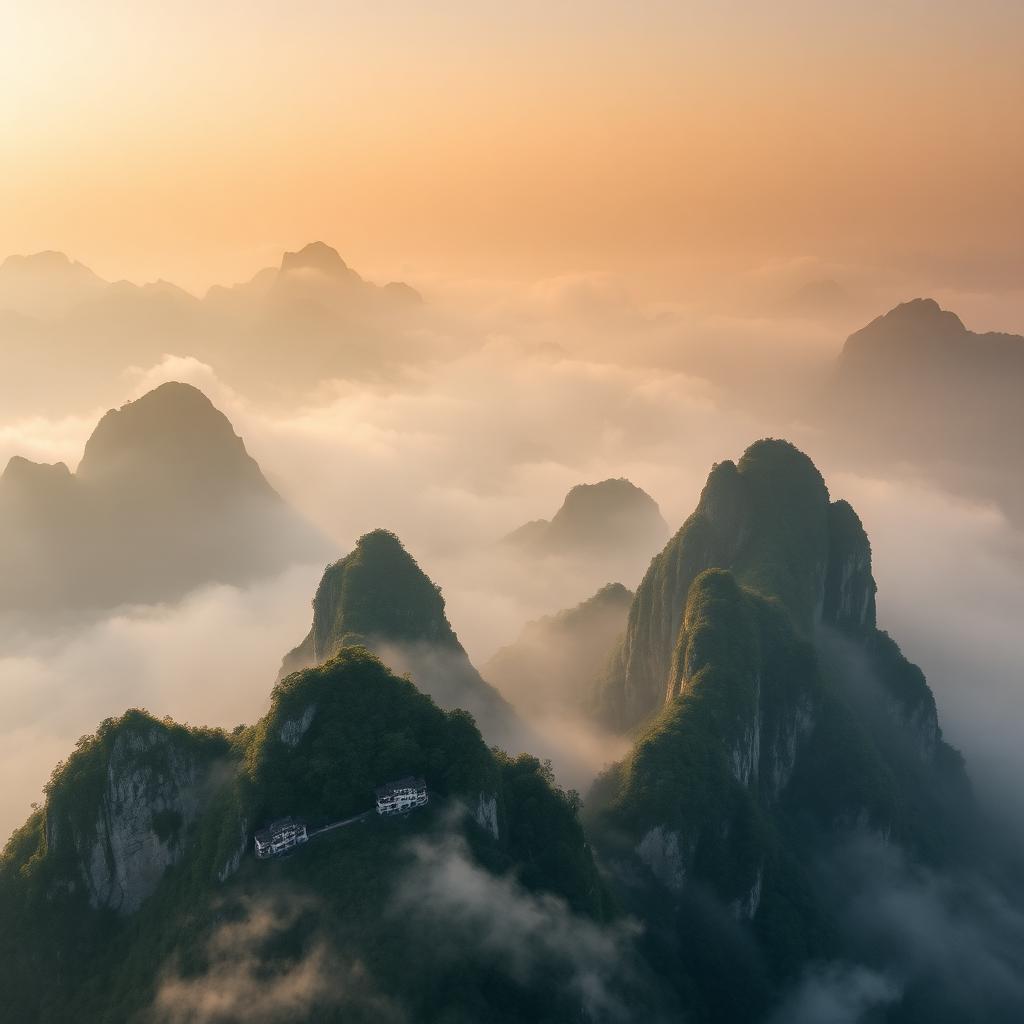
Angkor Wat at sunrise
Why this is the first thing I do every time I land in Cambodia.
Read MoreTonlé Sap floating villages
A closer look at one of Cambodia's most rewarding experiences.
Read MorePhnom Penh riverfront
Where to go next once you have seen the headline sights of Cambodia.
Read MoreI came to Cambodia expecting ruins and found a country still assembling itself, temple by temple, memory by memory. Angkor at dawn is the postcard, yes, but the country reveals itself more honestly in Phnom Penh’s riverside cafés, in the unhurried rhythm of Battambang’s bamboo train, in the way monks in saffron cross the road without looking, certain the traffic will bend around them. The Khmer Rouge years sit close beneath the surface, spoken of plainly by people old enough to remember, and that honesty gives the present its weight. Cambodia doesn’t perform for visitors. It goes about its business — fishing the Tonlé Sap, firing kilns near Kampot, folding banana leaves into offerings — and lets you watch, which is its own kind of hospitality.
Chapter One
Angkor before the crowds
I got to Angkor Wat at five, when the gates first open and the causeway is still dark stone underfoot. The sunrise crowd gathers at the reflecting pool, phones up, but I walked past them into the temple itself while the light was still grey, and had entire galleries of apsara carvings to myself. Ta Prohm, further on, has surrendered outright to the jungle — strangler figs hold the walls upright as much as mortar does, roots the size of thighs pouring over lintels. Banteay Srei, smaller and pink-sandstone pretty, rewards the extra half hour of driving with the finest carving in the whole complex. Hire a tuk-tuk driver for the full day rather than a single temple; the routes between sites, past rice paddies and roadside sugarcane presses, are half the education.
“Angkor doesn’t ask to be admired so much as it simply outlasts you.”
Chapter Two
The river towns
Phnom Penh moves at the pace of its riverfront — a slow evening promenade of ice cream carts, badminton games, and old men doing tai chi as the Mekong and Tonlé Sap rivers meet and swap colour. I spent a sober afternoon at Tuol Sleng and the Killing Fields, which I’d recommend to anyone, not for the discomfort but because Cambodia’s warmth today is inseparable from what it survived. Upriver, Kampong Cham and Kratie offer a gentler register: irrigation canals, French shophouses gone soft at the edges, and — near Kratie — a stretch of Mekong where Irrawaddy dolphins still surface, grey and round-headed, in the early morning stillness.
The Short List
Do not miss in Cambodia
At a glance
Cambodia in numbers
- Capital
- Phnom Penh
- Language
- Khmer
- Currency
- Cambodian riel (US dollar widely used)
- Best time
- November to February, dry and comparatively cool
Did you know
Angkor Wat began as a Hindu temple dedicated to Vishnu before gradually becoming a Buddhist site over the centuries that followed.