
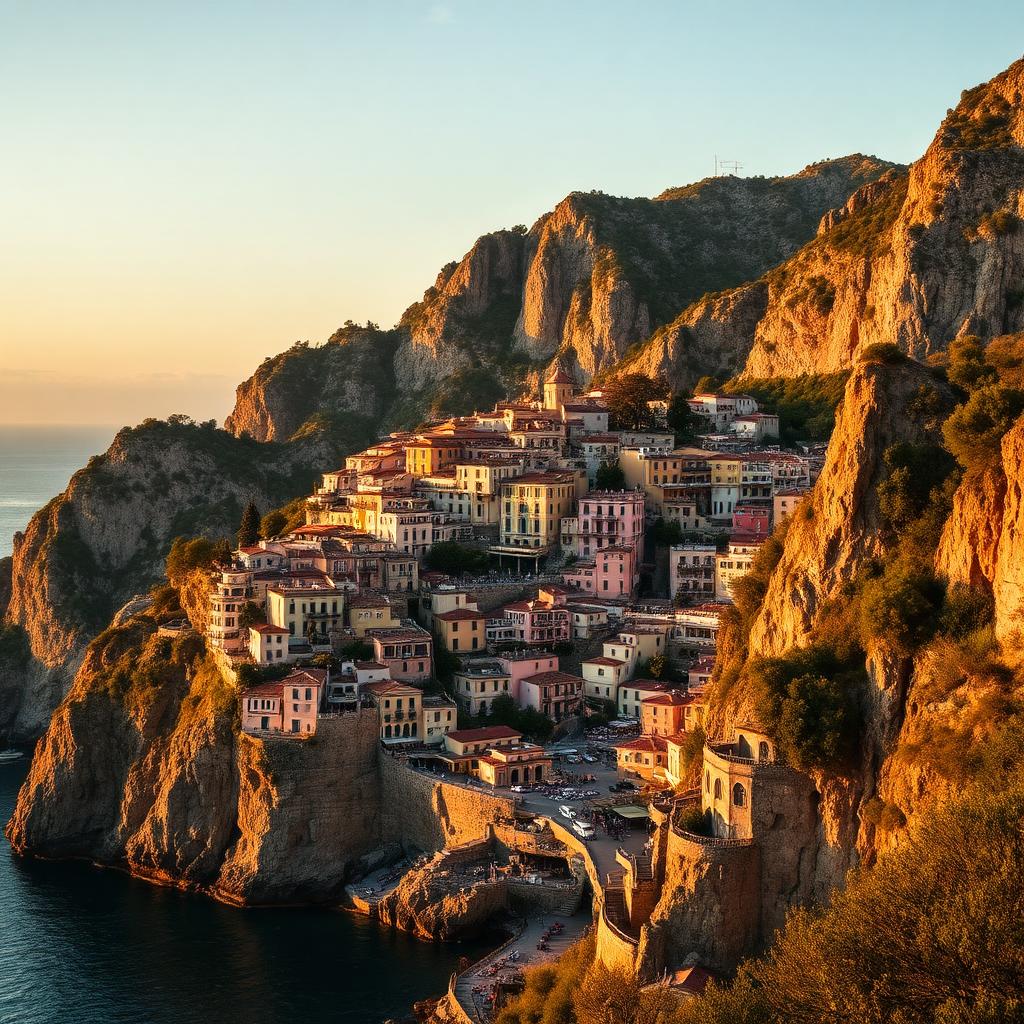
The Alhambra by night
Why this is the first thing I do every time I land in Spain.
Read MorePintxo crawl in San Sebastián
A closer look at one of Spain's most rewarding experiences.
Read MoreSeville's Plaza de España
Where to go next once you have seen the headline sights of Spain.
Read MoreSpain is a country of regions that sometimes seem reluctant to be one country at all: Catalonia's Gaudí-warped Barcelona, Andalusia's Moorish palaces, Basque Country's fiercely independent cuisine and language. I've walked through the Alhambra in Granada at the hour when the light turns the honeycombed plasterwork gold, and eaten pintxos standing at a bar in San Sebastián where the counter groans under more small plates than any one person should attempt. Spaniards eat dinner absurdly late by most standards and treat the siesta, where it still survives, as a legitimate response to a brutal midday sun rather than laziness. The country carries eight centuries of Islamic rule, a golden age of art, and a civil war within recent memory, and somehow channels all of it into a culture built primarily around the pleasures of the table and the plaza.
Chapter One
The Alhambra's patience with time
The Alhambra in Granada took shape mostly under the Nasrid dynasty in the thirteenth and fourteenth centuries, a fortress-palace complex whose interior rooms, the Court of the Lions especially, turn stone into something closer to lace through carved plasterwork and calligraphy praising a god in a language many visitors can't read but can still feel the rhythm of. I timed my visit for a nighttime entry, when the crowds thin and the reflecting pools catch lantern light instead of flash photography. The Generalife gardens next door, with their running water channels designed to cool the summer air, show a level of hydraulic engineering that predates modern plumbing by half a millennium and still functions exactly as intended.
“Spain doesn't rush dinner because it has never seen the appeal of rushing anything worth doing well.”
Chapter Two
Pintxos, tapas, and the art of standing at a bar
In San Sebastián, the pintxo bars along Calle 31 de Agosto operate on an honor system: small plates line the counter, you take what you want, and you tally your toothpicks at the end. I moved bar to bar over an evening, a slice of tortilla here, grilled txistorra there, txakoli wine poured from a height into wide glasses to aerate it properly. Further south in Seville, the same instinct shows up as tapas, smaller portions meant for grazing across several bars in one evening rather than a single sit-down meal. The whole system assumes you'll be out late, moving on foot, and talking more than you're eating, which is more or less the entire Spanish theory of a good evening.
The Short List
Do not miss in Spain
At a glance
Spain in numbers
- Capital
- Madrid
- Language
- Spanish
- Currency
- Euro (EUR)
- Best time
- April to June, or September to October
Did you know
Spain has more UNESCO World Heritage Sites than nearly any other country, trailing only Italy and China.