
Acropolis at first light
Why this is the first thing I do every time I land in Greece.
Read MoreHydra's car-free harbor
A closer look at one of Greece's most rewarding experiences.
Read MoreAncient Delphi's mountain amphitheater
Where to go next once you have seen the headline sights of Greece.
Read MoreGreece taught the West most of its founding stories, then spent the following centuries proving that a civilization can go quiet without going away. I've climbed the Acropolis in the white heat of noon and returned at dusk when the marble turns rose-gold and the tour buses have gone. But the country is not only Athens and its ruins; it's several thousand islands, most uninhabited, scattered across an Aegean that changes color by the hour. I've eaten grilled octopus at a taverna in the Peloponnese where the owner's mother made the tzatziki that morning and the retsina came from a barrel behind the bar. Greece rewards patience: the ferries run late, the afternoons close down entirely, and the reward for slowing to local time is nearly everything worth seeing.
Chapter One
The Acropolis and the myth of a finished ruin
The Parthenon has been under restoration, on and off, since the 1970s, which somehow feels correct for a monument that has survived war, explosion, and centuries of looting and still refuses to be declared finished. I climb the Sacred Rock early, before the marble becomes a griddle, and look south to the Saronic Gulf where triremes once assembled for battles that decided the shape of the ancient world. The New Acropolis Museum below does something rare: it lets you stand above an excavated ancient neighborhood through glass floors while the Parthenon itself is visible through the windows above, past and present arguing in the same sightline.
“Greece doesn't perform its history for you, it simply continues living inside it.”
Chapter Two
Island time, properly understood
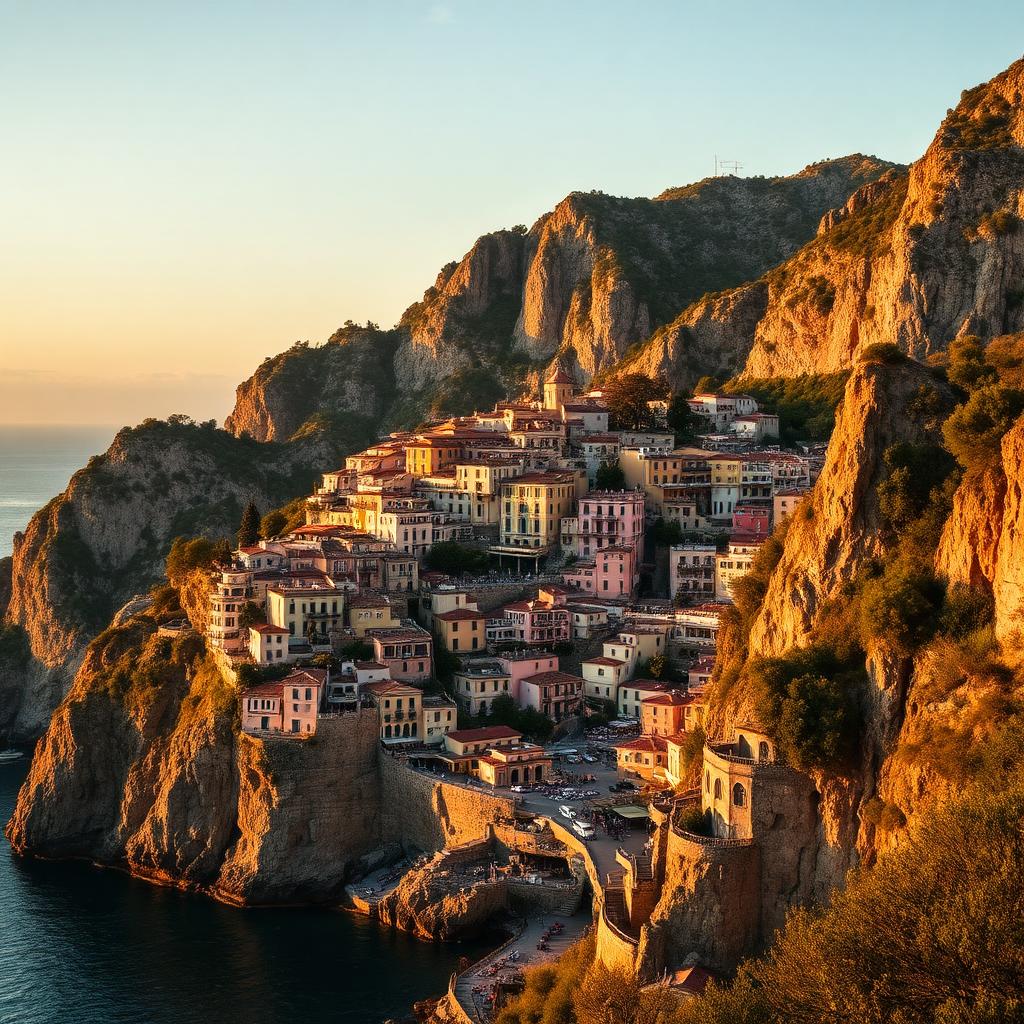
Santorini gets the photographs, but I've found more of Greece's actual character on islands like Naxos or Hydra, where the pace hasn't been recalibrated for cruise ship schedules. On Hydra, cars are banned entirely; donkeys still carry luggage up from the port, and the harbor fills each evening with fishermen mending nets beside tourists nursing ouzo. Meals run late, start with whatever the sea gave up that morning, and end whenever the last carafe of wine does. The Aegean light is the real subject of every Greek island: it flattens the afternoon into a long white pause and then, around six, turns everything gold at once.
The Short List
Do not miss in Greece
At a glance
Greece in numbers
- Capital
- Athens
- Language
- Greek
- Currency
- Euro (EUR)
- Best time
- April to June, or September to October
Did you know
Greece has around 6,000 islands and islets, but only about 227 of them are inhabited.