
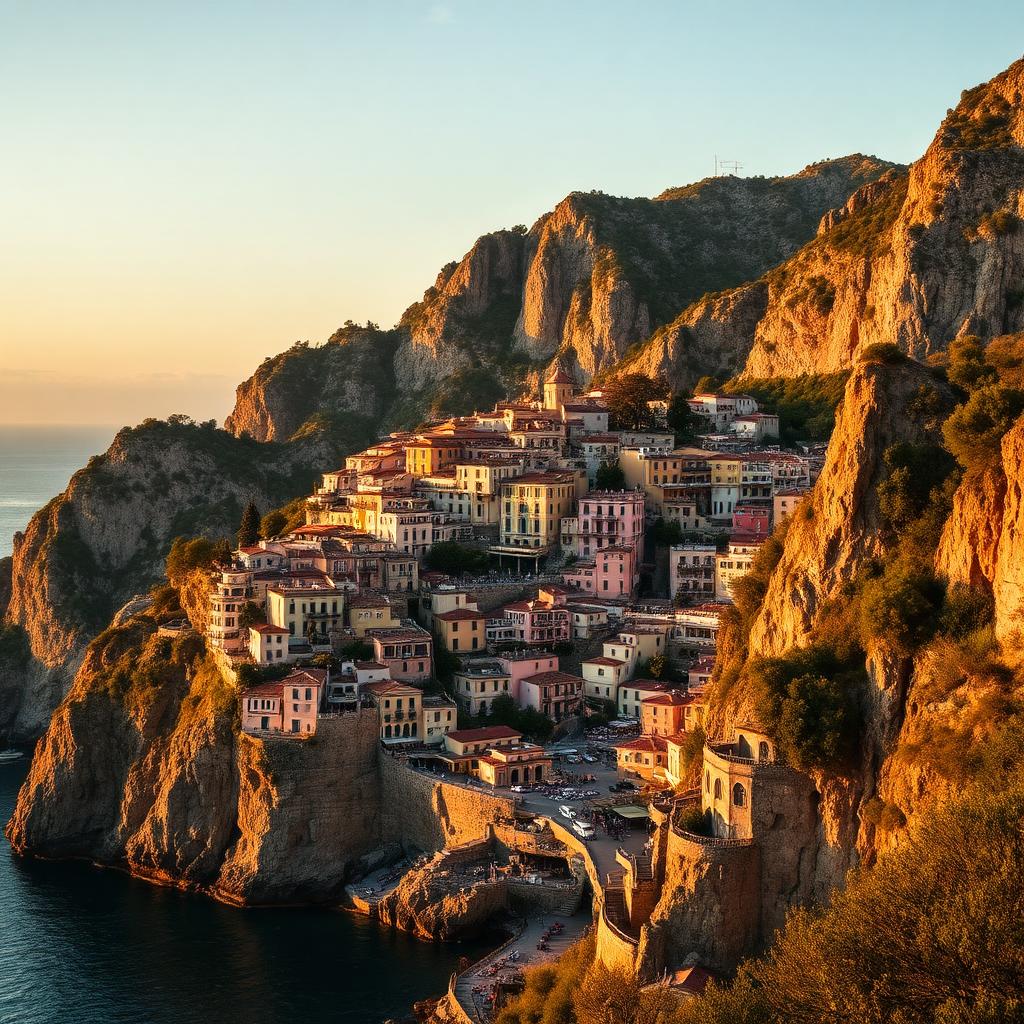
Alfama's fado houses
Why this is the first thing I do every time I land in Portugal.
Read MoreDouro Valley by train
A closer look at one of Portugal's most rewarding experiences.
Read MoreMiradouro da Senhora do Monte at dusk
Where to go next once you have seen the headline sights of Portugal.
Read MorePortugal built one of history's largest maritime empires from a sliver of Atlantic coastline, and it now carries that history lightly, in blue-and-white azulejo tiles, in the melancholy pull of fado music, in port wine aging in Porto's riverside cellars. I've ridden the historic tram 28 through Lisbon's steepest neighborhoods, past laundry strung between buildings and viewpoints that open suddenly onto the Tagus. Further south, the Algarve's cliffs meet water the color of stained glass, while inland the Douro Valley terraces vineyards on slopes so steep the harvest is still partly done by hand. Portugal moves at a slower register than its Iberian neighbor, unhurried by design, and the food follows suit: grilled sardines, bread-thickened stews, and pastries invented centuries ago by monks with time and eggs to spare.
Chapter One
Lisbon's hills reward the climb
Lisbon is built across seven hills, and the city has responded with funiculars, the famous tram 28, and enough stairways to make a knee complain, but the payoff at each viewpoint, or miradouro, is worth every step. From the Miradouro da Senhora do Monte at dusk, the Alfama district's terracotta rooftops run down to the river in a jumble that predates the 1755 earthquake by centuries, one of the few neighborhoods to survive it. Fado houses in Alfama still stage the mournful, string-accompanied singing that gives voice to saudade, a specifically Portuguese ache for something that may never have existed, best experienced in a small room over a late dinner rather than a tourist showcase.
“Portugal carries the weight of an empire the way a good coat carries age, worn in rather than worn out.”
Chapter Two
The Douro Valley, harvested by hand and by rail
The Douro Valley's terraced vineyards, carved into schist slopes over centuries, produce the grapes for port wine, a fortified wine originally stabilized with brandy for the long sea voyage to England. I took the train from Porto along the river, tracks running so close to the water that vineyards seemed to lean into the carriage windows. In Vila Nova de Gaia across from Porto's old town, port houses like Taylor's and Graham's still age their wine in barrel-lined lodges cut into the hillside, offering tastings that range from ruby to decades-old tawny. Harvest here in September still involves treading grapes by foot in stone lagares at some smaller estates, a practice kept alive as much for tradition as for the texture it gives the wine.
The Short List
Do not miss in Portugal
At a glance
Portugal in numbers
- Capital
- Lisbon
- Language
- Portuguese
- Currency
- Euro (EUR)
- Best time
- March to May, or September to October
Did you know
Portugal is the world's largest producer of cork, harvested from cork oak trees without cutting them down, roughly once every nine years.