
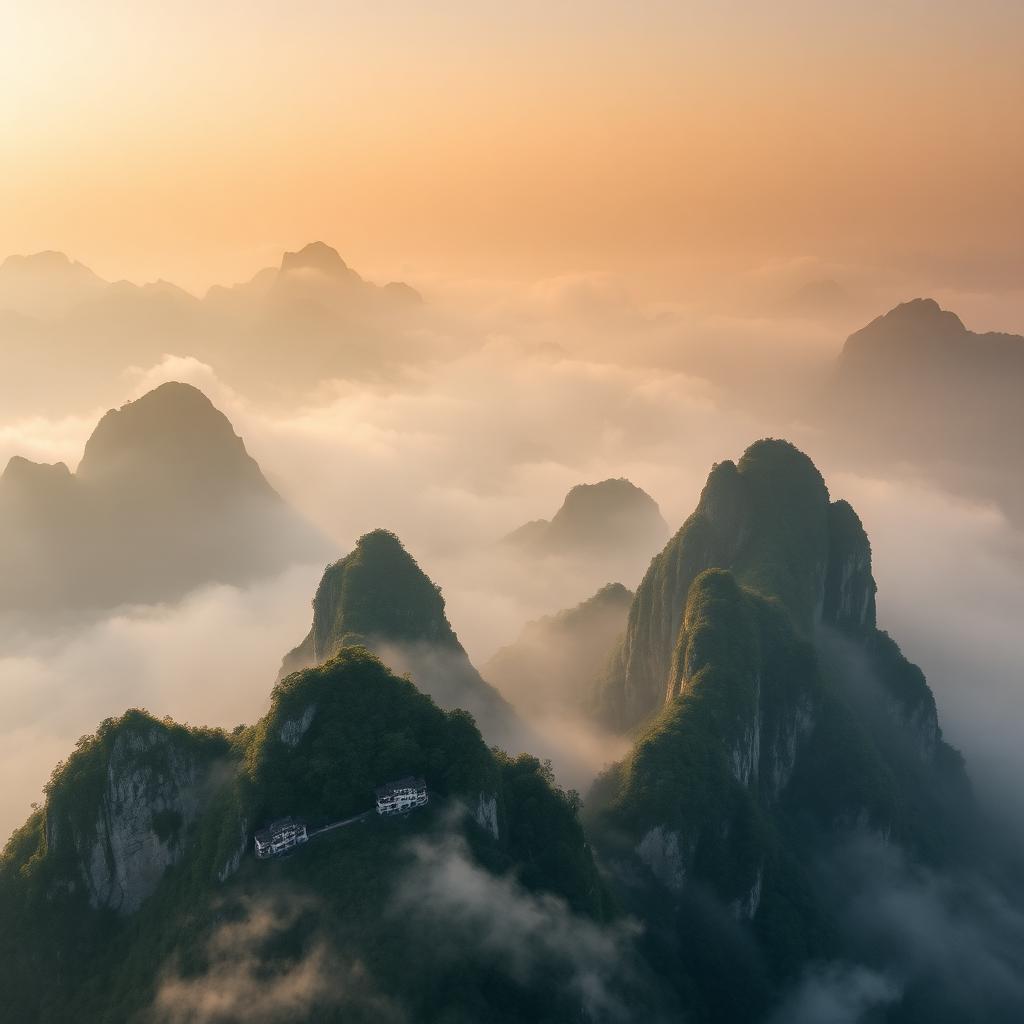
Amber Fort at sunrise
Why this is the first thing I do every time I land in India.
Read MoreGanges ghats in Varanasi
A closer look at one of India's most rewarding experiences.
Read MoreLake Pichola in Udaipur
Where to go next once you have seen the headline sights of India.
Read MoreNo country has taught me more about the limits of generalisation than India, where a thousand kilometres can move you between a desert fort, a monsoon coastline, and a Himalayan pass, each with its own language, cuisine, and God. I’ve learned to travel it in fragments rather than attempt the whole — Rajasthan’s painted cities one trip, Kerala’s backwaters another, Varanasi’s ghats a third — and each fragment has been complete on its own terms. What stays consistent is the intensity: colour, incense, traffic, kindness, all turned up several notches past what I’m used to elsewhere. India does not soften itself for visitors, and that refusal is precisely what makes arriving there feel like waking up rather than merely landing.
Chapter One
Rajasthan’s painted cities
Jaipur’s old quarter is genuinely the colour it’s named for, every facade in the walled city painted the same dusty pink by royal decree in 1876 and repainted faithfully ever since. I climbed to Amber Fort at first light to beat the elephant queues and heat, and stood in the Sheesh Mahal watching a single candle flame multiply into a thousand points of light across mirrored walls. Udaipur, further south, does something gentler — white marble palaces afloat on Lake Pichola, boat rides at dusk as the City Palace catches the last orange light. Jaisalmer, out in the Thar Desert, is sandstone gold at sunset, its fort still a living neighbourhood rather than a museum piece, families cooking dinner behind carved havelis eight centuries old.
“India doesn’t give you an experience so much as it hands you several, all at once, and lets you sort them out later.”
Chapter Two
Varanasi at dawn
I took a rowboat out onto the Ganges before sunrise in Varanasi, and it remains one of the most quietly overwhelming hours I’ve spent anywhere. The ghats came alive gradually — pilgrims wading in for their ritual bath, priests chanting under umbrellas, smoke already rising from the burning ghats where cremation is treated as a public, almost celebratory act rather than a private grief. Nobody hurried. As the sun cleared the far bank, the whole river turned copper, and the boatman cut the engine so we could just drift. Later, in the old city’s tangled lanes, cows and motorbikes and silk merchants shared space with an ease that took me the whole trip to stop noticing.
The Short List
Do not miss in India
At a glance
India in numbers
- Capital
- New Delhi
- Language
- Hindi and English, plus 21 other official languages
- Currency
- Indian rupee
- Best time
- October to March, outside the monsoon and worst heat
Did you know
India is home to more than twenty officially recognised languages and hundreds more spoken regionally, more than any other country on earth.